Topanish Door
Choosing an aluminum door and window supplier should not end when the products arrive. Frames may look precise in a catalog, yet installation conditions can change everything. Uneven walls, incorrect measurements, damaged hardware, or unclear adjustment instructions can affect performance within weeks.
So, what after-sales service should aluminum door and window suppliers provide? Reliable suppliers should support customers through installation guidance, product inspection, warranty handling, spare-parts supply, maintenance advice, technical troubleshooting, and responsive communication. These services protect more than the purchase. They help preserve weather resistance, smooth operation, thermal performance, and customer confidence.
Small details matter. A supplier might explain how to adjust a sliding roller, replace a damaged seal, or clean drainage channels without harming the finish. Clear service records also make warranty decisions more consistent. In practical projects, experienced suppliers often use installation photos, serial numbers, and written inspection reports to reduce confusion.
Not every service runs perfectly. That gap deserves attention. A delayed reply can leave a building owner with a window that will not lock before heavy rain. A missing gasket may stop an otherwise successful project. Suppliers should therefore publish realistic response times and define what their warranty covers. Honest limits build more trust than vague promises. This guide examines seven after-sales services that reflect professional responsibility, technical knowledge, and long-term reliability in the aluminum door and window industry.
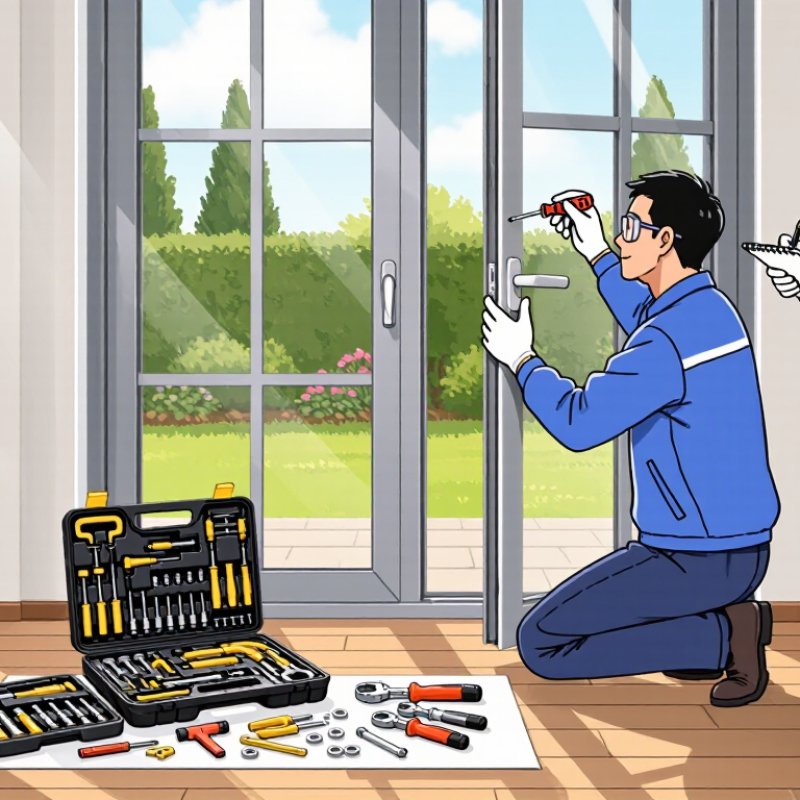
After-sales service should be written into the supply contract, not promised after delivery. Aluminum door and window suppliers should define response times, inspection procedures, warranty limits, spare-parts access, and maintenance guidance. The U.S. Department of Energy reports that windows can account for 25–30% of residential heating and cooling energy use. Therefore, suppliers should verify air leakage, frame alignment, glass performance, seals, and drainage during installation and follow-up visits.
A reliable service scope includes photo-based handover records, batch numbers, replacement hardware, and clear escalation contacts. Technicians should check corner joints, locking pressure, gasket compression, and water penetration after severe weather. Testing should reference recognized standards, such as EN, ASTM, or local building requirements. The National Fenestration Rating Council emphasizes independently verified ratings for U-factor and solar heat gain, which helps customers compare actual performance rather than sales claims. Small details matter.
Warranty support should separate manufacturing defects from installation errors, with practical repair timelines. Suppliers can offer seasonal inspections, cleaning instructions, and adjustment training for property teams. Yet service systems are rarely perfect. A two-day response promise may fail during storms or shipping delays. Suppliers should disclose those limits honestly and record corrective actions. The International Energy Agency identifies buildings as responsible for about 30% of global energy demand, making long-term envelope performance more than a comfort issue. It is an operational responsibility.
Installation guidance and on-site technical support are essential after-sales services for aluminum door and window suppliers. A reliable supplier should provide clear fitting drawings, opening measurements, anchor positions, drainage details, and approved sealant instructions. These documents help installers avoid twisted frames, uneven gaps, and water leakage.
On-site technicians can inspect the wall opening before installation begins. They should check whether the sill is level, the structure is sound, and the frame matches the approved dimensions. During fitting, technicians can demonstrate correct shimming, fastening, glazing, and adjustment methods. Small details matter. A two-millimeter error can affect closing performance.
Good support continues after the first installation. Technicians should test locks, rollers, hinges, gaskets, and drainage paths with the installation team. They can record photographs, adjustment notes, and any unresolved site conditions. This creates traceable service records and helps future maintenance.
Problems still happen. A standard checklist may miss unusual wall movement or poor substrate strength. Suppliers should acknowledge these limits and recommend a qualified local assessment when necessary. Remote support through video calls can help, but it cannot always replace an on-site inspection. Clear response times, multilingual instructions, and practical troubleshooting reduce delays and protect the installer’s work.
A dependable after-sales program starts with warranty coverage that customers can understand. The document should state the coverage period, included components, and exclusions in plain English. Frames, hardware, seals, glass, and surface finishes may have different warranty periods. That difference matters. A serious supplier records the order date, product size, finish, and installation details. These records help confirm claims without repeated explanations. Warranty service should cover manufacturing defects, not hide behind vague wording. Normal wear, poor maintenance, and unauthorized alterations may be excluded. However, the supplier should explain those limits before delivery. A warranty is useful, but it is not magic. Some suppliers still describe exclusions too vaguely. That is a weakness.
Repairs require practical knowledge, not only polite emails. Trained technicians should inspect alignment, drainage channels, locking points, rollers, hinges, and weather seals. A sticking sash may need adjustment rather than full replacement. Water near the sill can indicate blocked drainage or incorrect installation. The service report should include photos, measurements, the suspected cause, and the recommended action. Clear response times also build trust. Even a short update is better than silence. Suppliers should distinguish warranty repairs from chargeable maintenance before work begins. In my experience, unclear diagnosis creates more frustration than the original fault.
Replacement parts should be identified by model, opening direction, dimensions, and finish. Common items include handles, rollers, hinges, gaskets, locks, and glazing beads. Parts should be tested for fit before dispatch. Keeping older components in stock is difficult, but it protects long-term usability. A supplier should explain lead times honestly when a custom part is needed. Sending a nearly compatible part wastes time and may damage the window. Customers also need fitting instructions and basic maintenance guidance. Small details matter. A reliable service team stays involved until the repaired door closes, locks, and seals correctly.
Maintenance Advice and Performance Inspection
A dependable aluminum door and window supplier should provide a clear maintenance plan after installation. The U.S. Department of Energy estimates that windows influence 25–30% of residential heating and cooling energy use. Small defects can therefore increase comfort complaints and energy costs.
Service teams should inspect frames, drainage holes, gaskets, hinges, rollers, locks, and sealant joints. They should also check whether sashes close evenly. A simple field record helps: date, weather, room temperature, visible damage, and photographs. Clean drainage paths with a soft brush, not sharp tools. Lubricate moving hardware according to the supplier’s instructions. Avoid abrasive cleaners. They can dull the finish.
Performance inspections need more than visual checks. Suppliers should verify operation, air leakage, water resistance, and condensation risks. NFRC documentation identifies key values such as U-factor and solar heat gain coefficient, which help compare product performance. For suspected leakage, technicians may use field procedures aligned with ASTM E783 for air leakage and ASTM E1105 for water penetration. Results should be shared in plain language.
Perfect inspection is unrealistic. Wind, installation quality, and building movement change results. That deserves honest discussion. A supplier should record failed points and propose corrective work, rather than blame weather immediately. Annual checks are sensible in harsh coastal or high-use locations; calmer conditions may require less frequent visits. The schedule should remain adjustable.
Reliable after-sales service begins with clear customer communication. Aluminum door and window suppliers should confirm installation details, delivery conditions, and warranty terms before products leave the factory. After delivery, a service team can request installation photos and check frame alignment, drainage holes, hardware, and sealing strips. Small details often prevent expensive repairs.
Feedback should be specific and easy to record. A customer may report a stiff handle, water entering near a corner, or unusual movement during windy weather. Suppliers need trained staff who ask practical questions instead of sending generic replies. One business-day response is a useful service target, although complex cases may require more time. Every complaint should receive a case number, responsible contact, and clear next step.
Long-term support proves whether a supplier is dependable. Suppliers should provide adjustment guides, cleaning instructions, spare gaskets, rollers, handles, and compatible fasteners. Technical advice may also help installers correct pressure, drainage, or frame-level problems safely. Mistakes can happen. A supplier might misunderstand a photo or recommend a part too quickly. Honest follow-up matters more than pretending every answer was perfect. Regular feedback reviews can reveal repeated defects, unclear manuals, or training gaps. That evidence should influence future designs and service procedures.
It should define response times, inspection steps, warranty limits, spare parts, and maintenance guidance. Keep everything written. It should also name escalation contacts and required service records.
Technicians should check frame alignment, corner joints, locking pressure, gasket compression, drainage, and glass performance. They should test water penetration and air leakage when practical. Photos and measurements make the handover more useful.
Suppliers should record the order date, product size, finish, installation details, and batch number. Customers should provide photos, measurements, and a clear fault description. Keep records. These details reduce repeated explanations.
A stiff sash may need alignment or hardware adjustment. A loose handle, tight roller, or weak seal may have a similar cause. Do not replace everything too quickly. Sometimes, the first diagnosis is wrong.
It should state coverage periods, included components, exclusions, and repair timelines in plain English. Frames, glass, hardware, seals, and finishes may have different coverage periods. Normal wear and unauthorized alterations may be excluded. Vague exclusions create avoidable disputes.
Parts should match the model, opening direction, dimensions, and finish. Common parts include handles, rollers, hinges, locks, gaskets, and glazing beads. Suppliers should test fit before dispatch. Nearly compatible parts can waste time and cause damage.
They should describe symptoms, locations, weather conditions, and recent adjustments. For example, water may appear near one sill corner during heavy rain. Each complaint should receive a case number and responsible contact. Silence feels worse than a short update.
Suppliers should offer cleaning instructions, adjustment guides, fitting advice, and compatible spare parts. Seasonal inspections can reveal blocked drainage or compressed seals. Service systems are not perfect. Suppliers should record mistakes and improve future manuals, training, and designs.
What after-sales service should aluminum door and window suppliers provide? A reliable supplier should offer a clearly defined service scope and professional standards covering product delivery, installation guidance, technical consultation, and problem resolution. Before installation, customers should receive accurate instructions on measurements, handling, sealing, hardware adjustment, and safety. When needed, qualified technicians should provide on-site support to help ensure proper installation, smooth operation, and long-term performance.
After-sales care should also include transparent warranty coverage, efficient repair procedures, and access to compatible replacement parts. Suppliers should provide practical maintenance advice, such as regular cleaning, lubrication, drainage inspection, and checks for air or water leakage. Periodic performance inspections can help identify issues before they become serious. In addition, timely communication, customer feedback collection, and long-term technical support demonstrate accountability. A complete after-sales system not only resolves problems quickly but also helps customers protect their investment and maintain the appearance, security, energy efficiency, and service life of their aluminum doors and windows.
